|
Soil compaction is a serious but underestimated problem in today's world. It is responsible for many novice gardeners becoming discouraged by worse-than-expected crops, particularly when they try to stick to organic techniques, prioritising the use of hand tools. Crop plants find it difficult to put their roots down into compacted soil – this makes them vulnerable to water-stress in times of drought, and makes it more difficult for them to access the minerals that they need in order to grow.
Unfortunately, soil compaction seems to be an inherent consequence of modern farming techniques: driving over the land in even a small tractor, particularly when the soil is damp, will obviously have the effect of causing compaction, and perhaps that is the start of the problem. The compacted soil is not a good medium for seed germination, and, therefore farmers plough and rotavate the soil to aerate it; the topsoil is buried in the process, and the activity of soil organisms disrupted, which means that even though the prepared ground is now suitable for seed germination, it becomes hard and compacted under the influence of wind and rain over the following months. The process is progressive in that the soil becomes more compacted over time, meaning that farmers need bigger machines, and deeper ploughs to get the same result as before, which leads to less organic matter, and less microorganisms near the surface, more inert soil, and more compaction. Furthermore, over time, the weight of the machines causes the subsoil below the ploughed layer to become super compacted. The situation is little better in the pasture fields. Ever since fields have been enclosed, they have generally been overgrazed. Large numbers of large animals have been enclosed in areas much smaller than they would naturally choose, which, in itself, causes compaction, and this is exacerbated by the vegetation being grazed too short, so that the grasses do not get a chance to put down deep roots. The practice of applying nitrogen fertilisers to pasture land exacerbates the problem, as nitrogen fertilisers favour short-rooted grasses that get their nutrients from close to the surface.
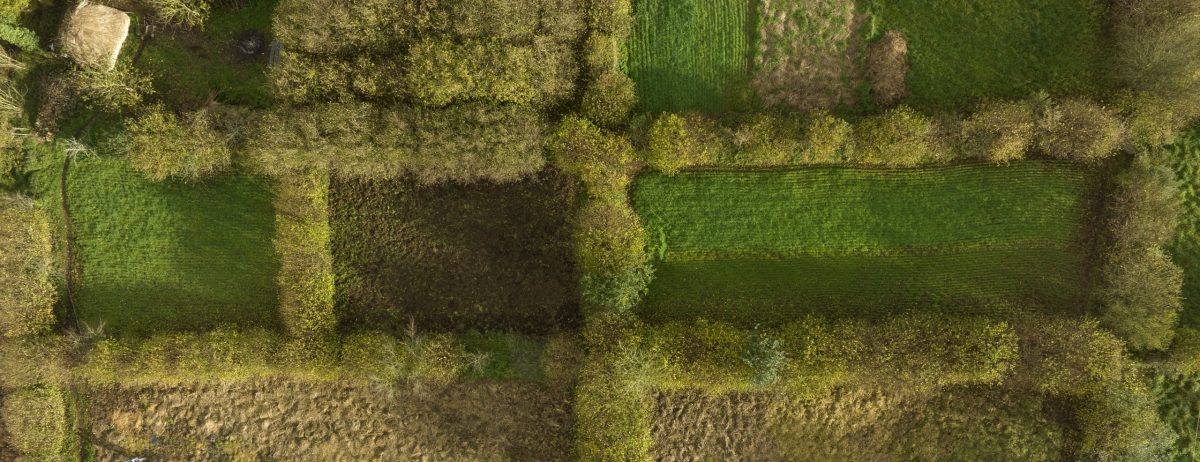
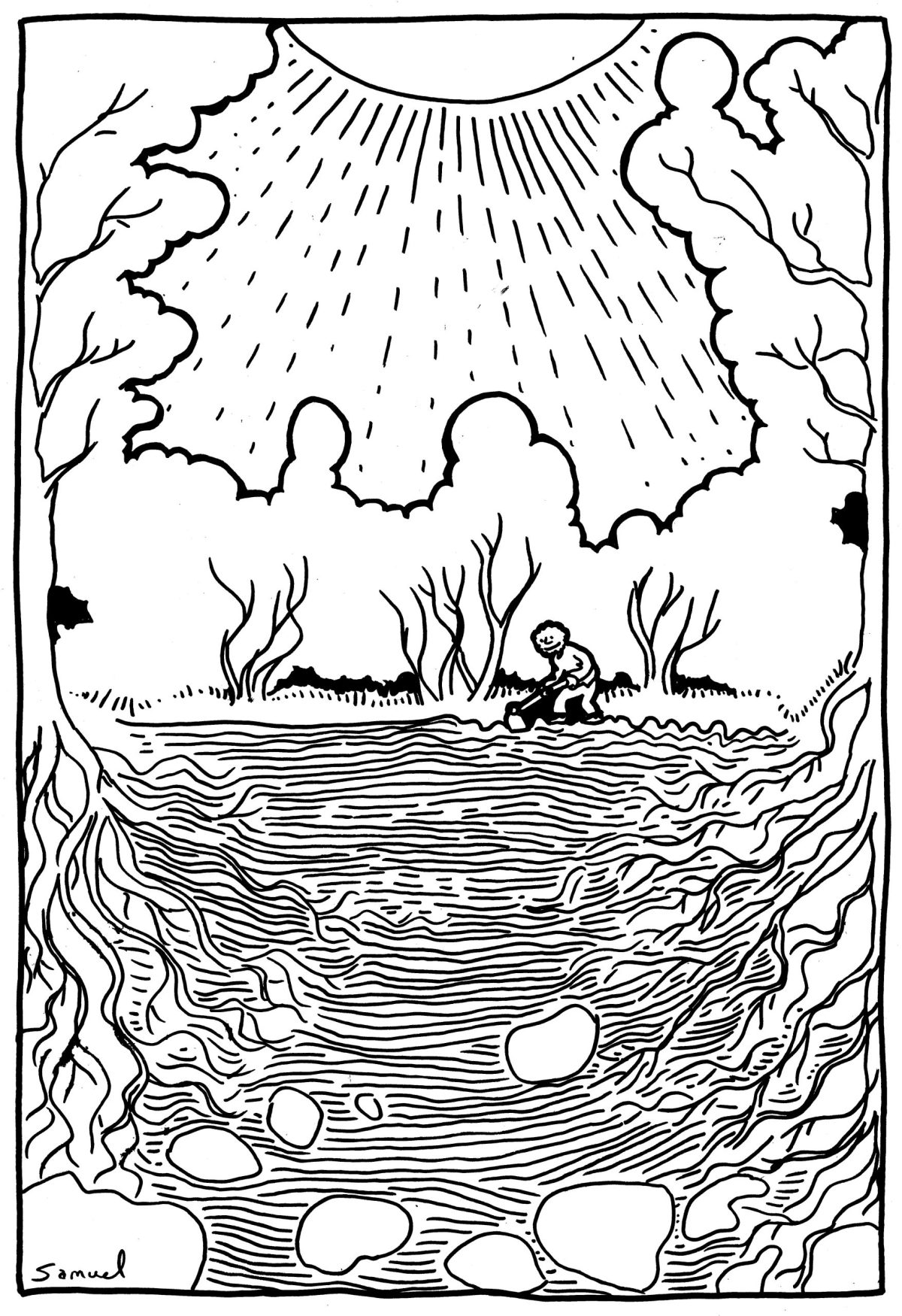
The two factors that help to decompact the soil are plant roots, and animal activity; they are interdependent, and neither can be rushed. Small animals that live in the soil, such as worms and insects, need organic material in the surface layer, which is their main source of food. They burrow down into the ground, creating channels that allow air into the soil, and more rain water to soak into the ground, rather than running off the surface. At the same time, plants put down roots which themselves help to break up compacted soil, and benefit from the air and water brought in by the animal activity. When a crop is harvested, its roots remain in the ground, providing nourishment for the soil organisms, and worms are then encouraged to delve deeper in their search for food, further encouraging decompaction. The greatest role may, however, be played by trees, which have deeper and more extensive root systems than other plants, and are able to break through the most compacted ground. We have divided our garden into small fields, each about five to seven hundred square metres in size, or less. Each field is surrounded by trees, so that the whole garden is underpinned by tree roots. We coppice the trees round the crop fields every few years, but are allowing the trees around the grass fields to get bigger. There are inconveniences associated with the trees around the crop fields – they shade out the sun round the edges of the field, they compete for water with the crop plants, and they provide shelter for birds which then eat the crops – and it is easy to understand why commercial farmers have been cutting down trees and removing hedgerows over recent years. To set against this, however, is the fact that the trees not only foster more biodiversity above ground, but also play a crucial, but more hidden, role in preserving the health of the soil – upon which we all ultimately depend.
Traditional varieties of crops such as rye will grow to over two meters tall, and will put roots down to a similar depth below ground if given a chance. When grown in non-compacted soil, they are therefore able to find water even in times of drought, and are able to extract the minerals they need from deep underground, making it unnecessary to add fertilisers at the surface. |